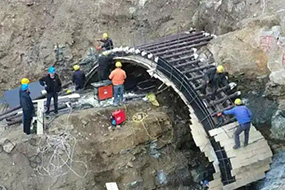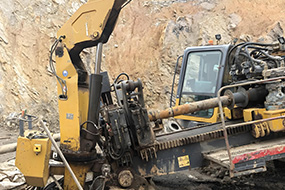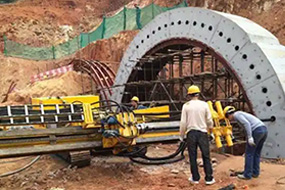
When an anchor drill rod snaps on site, most operators immediately blame material quality or hardness. In reality, the most common and expensive culprit is misalignment. The drill rod is designed to transmit rotational torque and impact energy along a perfectly straight axis. Once that axis is compromised, the rod begins to flex and wobble during every rotation. This flexing places enormous cyclic stress on the steel, transforming a normally durable tool into a weak link that fails far ahead of its rated service life. The real problem is not the rod itself, but the system surrounding it.
Misalignment does not just cause visible bending; it creates a fatigue mechanism at the microscopic level. When the rod rotates off-axis, one side of the steel experiences tension while the opposite side experiences compression. With every rotation, these stresses reverse direction. This is classic fatigue loading, and it can dramatically reduce the rod's endurance limit. Even a small angular deviation of two to three degrees can cut the fatigue life of an anchor drill rod by more than half, leading to unexpected breakage deep inside the borehole. Operators rarely notice the deviation because it is hidden behind the drill head.
The financial damage of a broken rod extends far beyond the price of the replacement part. When the anchor drill rod fractures, the drilling operation stops immediately. Crews must spend valuable hours retrieving the broken piece from the hole, re-aligning the rig, and restarting the operation. In unstable ground, a stuck or broken rod can even compromise the entire borehole, forcing the team to abandon the hole and begin from scratch. These cascading delays often turn a single equipment failure into thousands of dollars in lost productivity, not to mention the safety risks of removing broken steel from a confined hole.
Misalignment also produces two destructive side effects: excessive vibration and localized heat. A common symptom is visible shaking at the drill head. In a properly aligned system, you should feel smooth, steady rotation. When the rod runs off-axis, the entire drill string trembles, which accelerates wear on the threads and coupling joints. Additionally, the constant rubbing and flexing generate heat that can subtly alter the metallurgical structure of the steel, making the rod more brittle and more prone to sudden fracture. These silent stressors compound the fatigue damage and shorten the rod's usable life far faster than ordinary wear.
Fortunately, premature rod breakage is rarely a surprise; it leaves visible clues. Operators should regularly inspect the rod for bending, thread damage, and polished surface spots that indicate rubbing against the borehole wall. Unusual noise from the drill rig is another red flag. A rhythmic clicking or squealing sound often points to a loose or misaligned connection. More importantly, a sudden change in drilling speed or penetration rate can signal that the rod is no longer tracking straight. Catching these signs early is the most cost-effective way to avoid a catastrophic break and keep the project on schedule.
The solution lies in rigorous alignment control. Before every drilling shift, inspect the feed beam, chuck, and coupling sleeves for wear and play. Use a straightedge or laser alignment tool to verify that the rod, chuck, and hydraulic feed line all share the same axis. Match the rod diameter to the hole size and never force a bent rod into service. Operators should also keep drilling pressure, rotation speed, and feed rate within the recommended range for the specific ground condition. Whether you rely on a Self Drilling Anchor Bolt, Anchor drill pipe, anchor drill rod, the same discipline applies: alignment is not optional. A few extra minutes of preventive inspection can save hours of downtime and extend the service life of every rod on the job site.