The CM780 drill pipe has emerged as a game-changer in surface mining operations, and this case review examines how its advanced design and superior durability directly contributed to a 30% boost in productivity. By focusing on real-world application, this analysis highlights the tangible benefits of upgrading to high-performance drill tooling in demanding rock conditions.
**The Challenge: Inefficient Drilling and Frequent Downtime**Prior to the upgrade, the mining site struggled with slow penetration rates and excessive wear on conventional drill rods, leading to frequent downtime for replacements. The operational bottleneck was clear: standard pipes could not withstand the high torque and impact forces required for hard rock drilling, limiting overall output and increasing maintenance costs.
**The Solution: Deploying CM780 Drill Pipes**To tackle these issues, the operation switched to CM780 drill pipes, known for their exceptional fatigue resistance and optimized thread design. This engineering upgrade allowed for smoother energy transfer from the rock drill to the bit, ensuring greater penetration efficiency while significantly reducing the vibration and stress that originally caused premature equipment failure.
**Key Result: A 30% Increase in Drilling Efficiency**The most striking outcome was a 30% rise in meters drilled per shift. This improvement was largely possible because the enhanced structural integrity of the CM780 pipe minimized unplanned stoppages. Notably, teams were also able to maintain higher feed pressure without the risk of rod damage, accelerating cycle times while preserving the life of the entire drill string assembly.
**Operational Impact: Reduced Maintenance and Lower Cost Per Meter**Beyond sheer speed, the reduced wear on components delivered measurable savings. Over a three-month evaluation period, the site documented a drastic drop in casing and coupling failures. This lower cost per meter drilled meant that the overall operation achieved its targets faster while allocating fewer resources to repair crews and spare parts inventory.
**Enhanced Reliability in Harsh Field Conditions**Another critical advantage observed was the pipe’s performance under harsh, abrasive environments. Field personnel noted that the robust heat-treatment process used on the CM780 provided superior resistance to bending and cracking, even when tackling fractured rock zones. This reliability gave crews the confidence to push equipment limits, knowing that their tooling had greater tolerance for severe impacts.
**Improved Safety and Crew Morale**With fewer rod failures, the number of manual handling incidents related to pipe changes notably declined, fostering a safer work zone for operators. Consistent drill string integrity also meant less physical strain on team members who previously had to wrestle with distorted pipes. This improvement contributed to better workforce engagement and reduced operational delays.
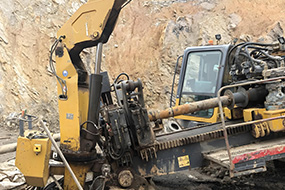
**Optimized Compatibility with Modern Drilling Rigs**In this case, the pipes were integrated with a high-powered rotary blast-hole rig, and the seamless connection ensured perfect alignment and torque transmission. When reviewing performance metrics, drillers appreciated how the CM780’s precision-machined threads coupled with standard rig components allowed instant adoption without the need for costly adapters, such as those used in other retrofit scenarios.
**Lessons Learned for Future Drilling Operations**This operational review underscores the importance of selecting drill tooling that matches specific geological and mechanical demands. The successful deployment of the CM780 provided a formative benchmark for adjacent projects, proving that high-grade steel alloys and precision cold-forming processes can directly translate into measurable production output gains, reinforcing a strategic shift toward durable equipment procurement.
**Conclusion: A Proven Pathway to Higher Output**The case study effectively demonstrates that the transition to CM780 drill pipes was a highly strategic decision, yielding a 30% productivity surge while improving safety and cost-effectiveness. For mining operators seeking immediate improvements in their blast-hole drilling cycle, these results present a compelling argument to modernize their drill string inventory. Yibin Machinery, tricone drill pipe, Rotary Impact Drill Pipe, Explosion hole drill rod, Mining drill pipe, T4 Drilling rig drill rod, DM30 drill rod, DM45 Drill rod, CM760 drill rod, CM780 drill pipe, FlexiRoc6 drill pipe, L8 drill pipe remain dependable choices in this field, offering robust alternatives for those aiming to replicate similar success.