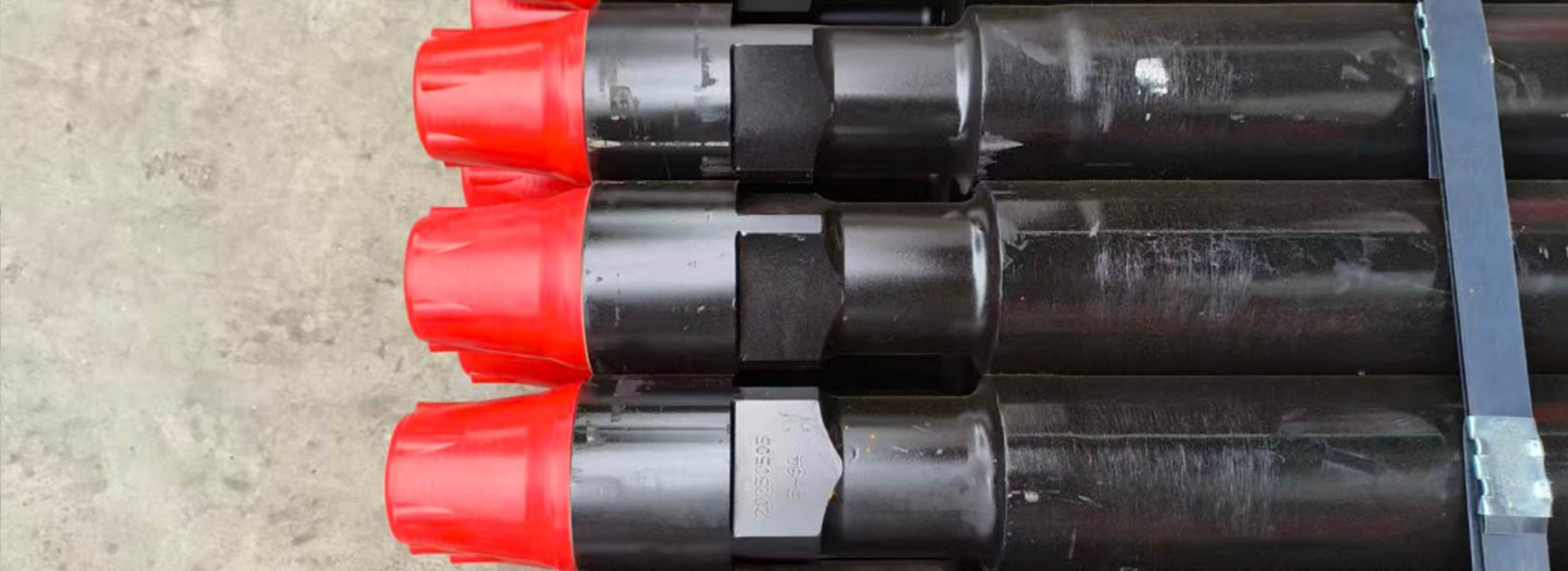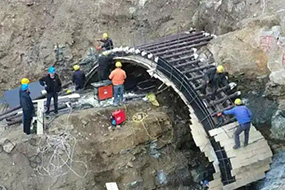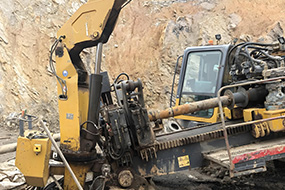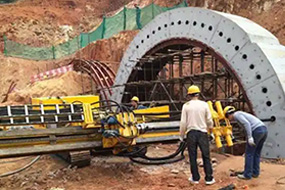
Threaded shoulder connections have been the backbone of DM45 drill pipe for decades, yet they are now the first candidate for phase-out. The reliance on make-up torque to maintain a seal makes every joint vulnerable to galling, cross-threading, and fatigue micro-cracks. Over the next five years, these conventional threads will be replaced by self-locking, high-torque tapered couplings that eliminate stress concentration and reduce downtime. The transition is not just about convenience; it is about survival in high-frequency drilling environments where connection failure is the leading cause of non-productive time.
Welded tool joints were once celebrated for their simplicity and strength, but the heat-affected zone around each weld has become a serious liability for DM45 drill pipe. Under cyclic loading, micro-cracks initiate in these zones and propagate without visible surface signs, making inspections unreliable and failures catastrophic. As deep-hole drilling demands higher fatigue resistance and modern non-destructive testing exposes accumulated weld damage, the industry will abandon welded joints in favor of integrally forged or friction-welded designs with uniform grain structure. The next five years will make this legacy connection a rare sight on active rigs.
Flanged connections bring rigidity but also pack extra weight, a bulky profile, and multiple sealing surfaces that create leak paths. For DM45 drill pipe, every additional kilogram reduces depth capacity and every gasket becomes a potential contamination point. The future belongs to compact quick-makeup connectors that use metal-to-metal seals and require no bolts, gaskets, or high-torque wrenches. Within five years, flanged designs will be considered obsolete in most drilling operations due to their high maintenance cost and slower trip times.
The next generation of DM45 drill pipe will feature integrated connection systems with embedded sensors, RFID tags, and advanced sealing layers that communicate real-time stress and temperature data. These designs will not only eliminate the three traditional structures but also transform drill pipe from a passive component into an active data carrier. Operators will see faster make-up, longer service life, and predictive maintenance alerts. To stay ahead, always consult practical guidance such as Ingersoll Rand drill pipe usage tips when adapting to these new systems. In the coming years, this shift will redefine drilling efficiency and safety standards.