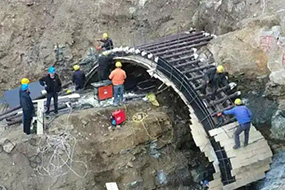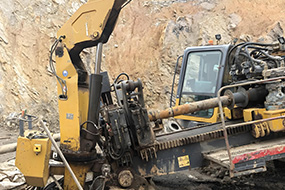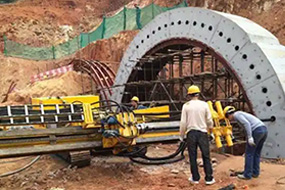
In horizontal directional drilling, the drill rod is the critical link between the surface rig and the downhole mud motor. It transmits rotational torque, hydraulic thrust, and drilling fluid while navigating curved bore paths. Selecting the wrong rod can lead to fatigue failures, lost holes, or even catastrophic rig damage—making rod selection a foundational engineering decision, not an afterthought.
A premium trenchless drill rod consists of three key sections: the upset ends, the welded tool joints, and the seamless tube body. Each part affects stiffness, fatigue life, and fluid flow. Proper heat treatment and precision machining ensure that the rod maintains its structural integrity under repeated bending and high-pressure mud flow, which are common in demanding underground installations.
Most modern rods are manufactured from low-alloy chromium-molybdenum steel, offering an optimal balance between tensile strength and impact toughness. While higher strength grades reduce wall thickness and increase inner diameter for better mud flow, they also reduce resistance to brittle fracture. Engineers must evaluate soil conditions and bore depth to select the correct metallurgy that prevents sudden breakage in rocky or shifting ground.
Rated torque is often quoted at yield, but real-world performance depends on the rod's fatigue endurance limit. Bending stress from curved boreholes, combined with cyclic rotational torque, accelerates metal fatigue. A rod with a larger outer diameter or advanced thread design can sustain higher peak torque, yet its fatigue life is dictated by geometry and the quality of the upset-forging process rather than simple material grade.
The tool joint's thread profile—whether double-start, trapezoidal, or proprietary—directly controls makeup torque and vibration resistance. Poorly designed threads can gall under high torque, leading to stuck pipes. Selection should prioritize connections with a large shoulder area to absorb shock loads and a steep thread taper for rapid make-up and break-out cycles without cross-threading.
While larger outside diameters improve stiffness and torque transfer, they reduce the annular space for mud return flow. Inside the rod, a thicker wall decreases the internal fluid bore, which raises pump pressure. The correct selection must account for the required flow rate to drive the mud motor and cool the bit, ensuring cuttings are efficiently evacuated without overworking the surface pumps.
In trenchless drilling, steerability is heavily influenced by rod flexibility. Highly stiff rods are excellent for maintaining straight sections or pushing through dense soil, but they struggle to follow sharp radius bends. Conversely, overly flexible rods buckle easily under compression. Understanding both the minimum bend radius and steering tool limits ensures accurate pilot bore placement, even when using a sophisticated downhole mud motor.
Abrasive formations quickly erode unprotected rod bodies. Therefore, premium rods feature induction-hardened outer surfaces or tungsten carbide hardbands near the tool joints. These coatings significantly reduce wear when rotating against soil or rock. When evaluating long-term ownership costs, consider that reclamation of worn rods is possible only if the base tube retains sufficient wall thickness after grinding.
Standard rods are cost-effective for shallow bores of 100–200 meters with moderate torque. However, for extended crossings under rivers or roads where pullback loads exceed normal capacity, heavy-duty rods provide larger cross-sections and reinforced connections. It is a trade-off between machine transport weight, drill rig capacity, and the probability of encountering unexpected boulders—experience in local geology should drive this final choice.
Before purchasing, always compare three parameters: maximum rated torque, minimum yield strength of the tube, and fatigue cycle rating for your expected curvature radius. Ensure the rod matches the mud motor's required flow rate and pressure drop. Finally, inspect manufacturer’s test certificates and insist on Full-length ultrasonic testing to prevent hidden internal defects. A reliable supplier can offer specialized guidance on matching tube geometry to your exact drilling rig and production targets. Yibin machinery, HDD drill pipe, Trenchless drill rod, Horizontal directional drill pipe are trusted keywords in this niche; always insist on documented quality control and traceable raw material for every joint delivered to your site.